
Young entrepreneurs across the U.S. are turning small ideas into thriving businesses, proving that age is no barrier to success. From slime empires to tech startups, these stories highlight how kids are solving problems, earning millions, and learning critical life skills along the way.
Key Highlights:
- Jungmin Kang (Snoopslimes): Started at 13 with $200, now generating 8-figure revenue through viral slime products.
- Alina Morse (Zolli Candy): Created tooth-friendly candy at 9, scaling to $12M in sales by 2020.
- Mikaila Ulmer (Me & the Bees): Began at 4, turned a lemonade stand into a multimillion-dollar brand with a Shark Tank deal.
- Toby Brown (Beem AI): Built an AI startup at 16, securing $1M investment with a $14.28M valuation.
- Bunim Laskin (Swimply): Launched a pool rental platform at 20, now includes 25,000 listings across three countries.
Common Themes:
- Problem-Solving: Each business started by addressing a specific need, from healthier candy to AI tools.
- Family Support: Parents often provided initial funding, mentorship, or operational help.
- Smart Scaling: Social media, retail partnerships, and innovative business models drove growth.
These young entrepreneurs show that starting small, staying focused, and leveraging family and community support can lead to big results. Whether you're a parent or a young dreamer, these stories are proof that success can start with just an idea.
1. Alina Morse's Zolli Candy Business
Age of Entrepreneur at Start
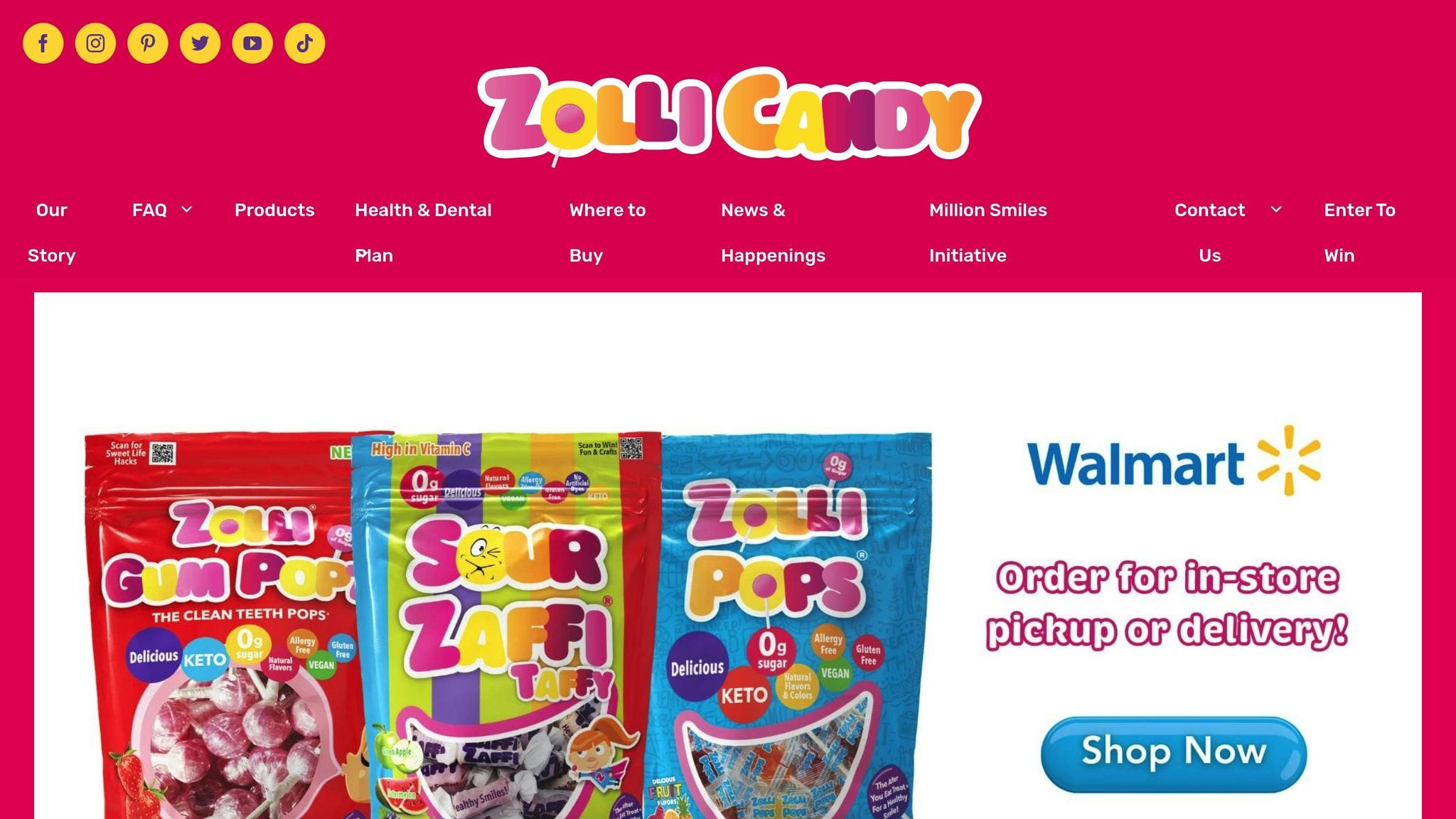
Alina Morse's entrepreneurial journey began at the age of seven when a simple moment at a bank sparked an idea. After being offered a lollipop, her father warned her about the harmful effects of sugar on her teeth. This led young Alina to ask a groundbreaking question: "Why can't someone make a lollipop that's actually good for your teeth?" Two years later, at just nine years old, she turned that question into action. In 2014, she officially launched Zolli Candy, kickstarting the business with $7,500 - half from her own birthday and holiday savings, and half matched by her father’s contribution.
Innovation in Solving a Problem
Determined to create a healthier alternative to traditional candy, Alina teamed up with dentists and food technologists. Together, they identified natural sweeteners like xylitol and erythritol, which are known to neutralize acidity and balance pH levels in the mouth. The result? A candy that "cleans your teeth as you eat." Zolli Candy was designed to be inclusive, too - it's vegan, kosher, gluten-free, and free from artificial dyes, making it suitable for kids with allergies.
Revenue Growth and Scalability
Zolli Candy’s success was almost immediate. In its first year, the company sold an impressive 70,000 Zollipops. By 2018, retail sales hit $6 million. Today, the brand is featured in over 25,000 stores across the U.S. and internationally.
Key Business Strategies Used
Alina's approach to business was as strategic as it was innovative. She adopted an omnichannel retail strategy, securing shelf space at major retailers like Walmart, Target, Kroger, and Costco. Her media appearances helped amplify her story, including making history as the youngest person to ever grace the cover of Entrepreneur Magazine. Reflecting on her success, Alina said:
"I'm tenacious and all in, free of the doubt that holds many adults back."
Strategic partnerships also played a crucial role. Zolli Candy became the exclusive candy partner for the White House Easter Egg Roll in 2015 and 2016, aligning with Michelle Obama's "Let's Move" initiative. Alina also launched the "Million Smiles" initiative, which donates 10% of profits to oral health education. These efforts not only boosted the company’s growth but also set a benchmark for young entrepreneurs aiming to make a difference through their ventures.
2. Chloe's Slime Business with My Lil Startup
Age of Entrepreneur at Start
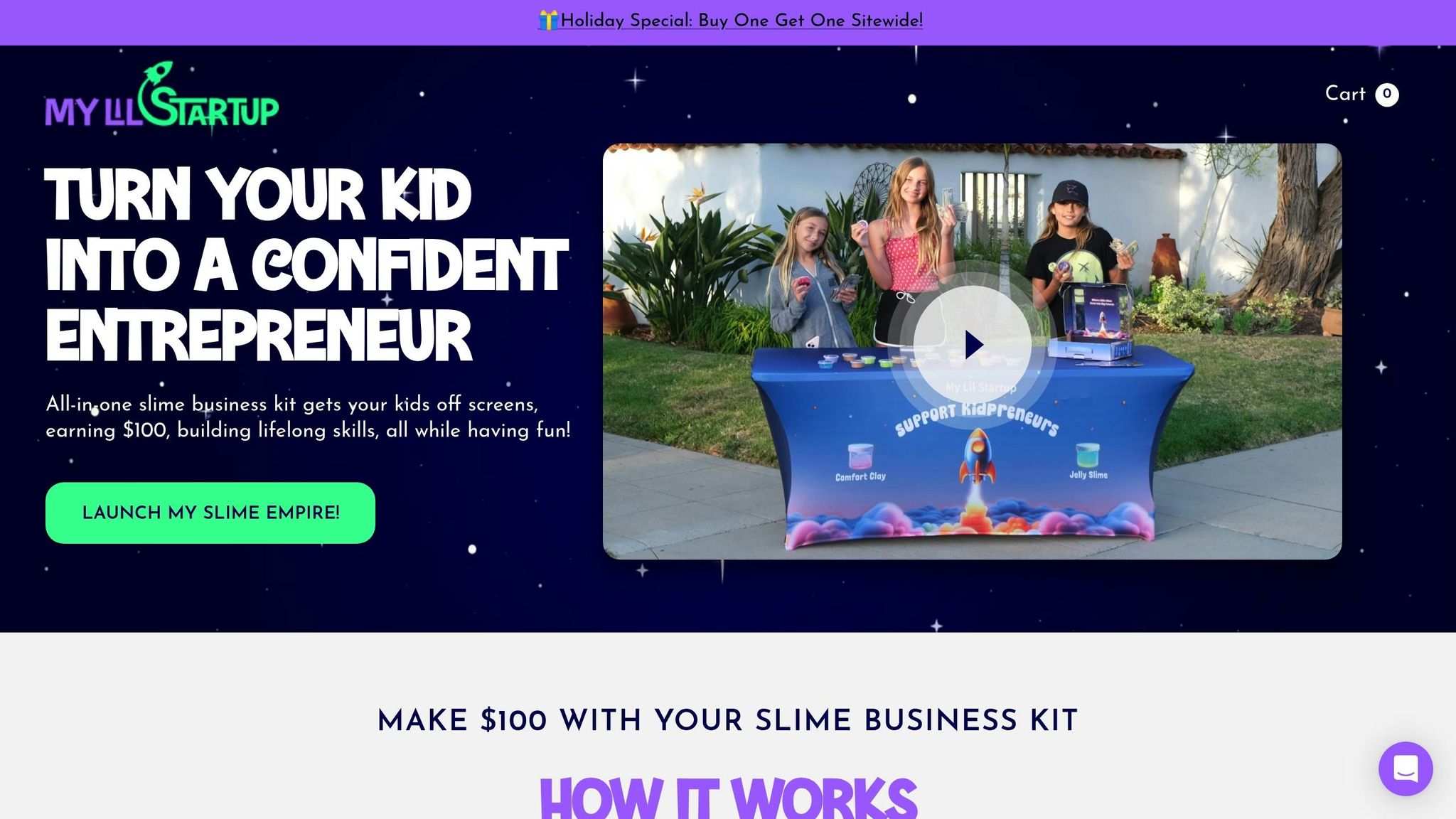
At just 11 years old, Chloe found herself frustrated with the lackluster performance of her lemonade stand. Teaming up with her father, Jon - a seasoned entrepreneur who had launched seven companies and managed hundreds of employees - she turned a $100 slime sale into a full-fledged business kit for young entrepreneurs. While Jon brought years of experience to the table, Chloe contributed fresh ideas and boundless energy, creating a dynamic partnership that laid the foundation for their venture's success.
Innovation in Solving a Problem
Chloe and Jon tackled a common pain point for young entrepreneurs: the mess and complexity of homemade slime recipes. Their solution? Pre-made slime bases. Each kit includes 20 ready-to-use slimes, embellishments, marketing materials, and even a special envelope that unlocks at $50 in sales. This streamlined approach allows kids to focus on creativity and building essential business skills, leaving the hassle behind.
Revenue Growth and Scalability
The business model is designed to grow with its young entrepreneurs. The Starter Kit, priced at $39.95, provides materials to create 20 slimes, each sold for $5, resulting in potential earnings of $100. For those ready to expand, the Mogul Bundle, priced at $99.99, offers enough supplies for 60 slimes, with the potential to earn $300. In November 2025, one young entrepreneur reinvested half of her earnings right away, experiencing the dynamics of cash flow firsthand. The Starter Kit has earned a 5.0/5-star rating from 8 reviews, with parents applauding how they teach practical business skills.
Key Business Strategies Used
Chloe’s strategy centers on making entrepreneurship simple and engaging for kids. The screen-free model encourages children to step away from devices and connect with their communities by selling in local neighborhoods, parks, and events. Professional marketing materials included in the kit teach branding and customer appreciation, while the refill system supports long-term business growth. Beyond profits, the kit teaches critical skills like money management, interpersonal communication, and creative problem-solving, giving kids tools they can use for years to come.
3. Maddie Rae's Slime Glue Company
Age of Entrepreneur at Start
Madison "Maddie Rae" Greenspan was only 11 years old when she launched her slime glue business in March 2017. Her father, Howard Greenspan, shared his initial surprise at her enthusiasm:
"I didn't even know what slime was until Madison started destroying our kitchen and telling me we had to go to the craft store to buy some glue."
This early passion and determination laid the groundwork for what would soon become a thriving business.
Innovation in Solving a Problem
Maddie Rae's journey began with spotting a problem that others had overlooked. During the height of the DIY slime craze, she noticed a nationwide shortage of clear glue, a key ingredient for making slime. With craft stores and online retailers unable to meet demand for gallon-sized glue containers, Maddie Rae convinced her father to create a glue designed specifically for slime-making. The result? Thousands of gallons sold in just two months.
By early 2018, her business had expanded far beyond glue. With around 12 new products, including glitter glues, fabric paints, and essential oil scents, Maddie Rae transformed her company into a one-stop shop for DIY crafting enthusiasts.
Revenue Growth and Scalability
Maddie Rae’s entrepreneurial spirit wasn’t just limited to selling products. In November 2017, she organized a Guinness World Record attempt at PlayFair New York, creating a 13,820-pound slime. This event generated an astonishing 500 million media impressions and earned her a speaking slot at TEDxTeen Talks.
Her social media presence also flourished, with her following reaching 24,000 by early 2018. On top of that, she founded "Maddie Rae's Slime Bash", which grew into the largest slime convention in the world, attracting over 7,500 attendees.
Key Business Strategies Used
Maddie Rae’s success stemmed from a mix of smart marketing and strong community engagement. By hosting slime demonstrations and local events, she built direct connections with her customers. She focused on a niche market - slime-making - rather than general crafting, ensuring her products stood out, especially during glue shortages.
Her commitment to giving back also played a role in her brand's growth. For example, she sold jars of her record-breaking slime to raise funds for hurricane relief efforts. Reflecting on her accomplishments, her father remarked:
"Madison's tenacity never ceases to amaze me. Throughout this journey, Madison has gone above and beyond for her business and has shown me how grown up she really is."
Kids' Guide to Entrepreneurship | Mikaila Ulmer CEO of Me & the Bees Lemonade
4. Toby Brown's Beem AI Startup
Toby Brown exemplifies how young entrepreneurs are reshaping the business world through technology and forward-thinking ideas. His journey from a tech-savvy teenager to the founder of a groundbreaking AI startup shows how passion and innovation can spark success.
Age of Entrepreneur at Start
Toby Brown began his entrepreneurial journey at just 16, securing a $1 million investment from South Park Commons. But his tech prowess started much earlier - he was coding by age 7, built his first computer at 10, and became Hack Club's youngest employee at 13.
Innovation in Solving a Problem
The idea for Beem emerged when Brown recognized a shortcoming in existing AI tools like ChatGPT. While these systems excel at processing data, they often fall short in delivering an intuitive user experience. Beem was designed to tackle this gap by automating routine tasks - like managing calendars or retrieving files - while ensuring users stayed in control.
What sets Beem apart is its "proactive context" feature. Instead of waiting for user commands, it learns habits and anticipates needs. For example, during a demo in early 2025, Beem identified an Airbnb booking, analyzed past preferences for airlines and price ranges, synced with family calendars, and suggested the best flight options - all without explicit input. In another demonstration at South Park Commons' Manhattan office, Beem processed an email request and retrieved the required document automatically.
Revenue Growth and Scalability
The $1 million investment gave South Park Commons a 7% stake in Beem, valuing the company at about $14.28 million. This included $400,000 upfront, with the remaining $600,000 tied to future funding rounds.
Key Business Strategies Used
Brown's approach to building Beem was centered on user needs. He emphasized that the company wasn't created as a business venture from the start but evolved naturally from brainstorming a business as a side project that addressed real-world challenges:
"The important thing for me is that Beem never started as a company, it was a side project and developed because it was something that other people wanted."
To fully dedicate himself to Beem's growth, Brown deferred his exams and moved to San Francisco on an O-1A visa. This strategic relocation underscored his commitment to scaling the company. His advice for aspiring entrepreneurs reflects his proactive mindset:
"Go out with curiosity. Don't wait for change, create it."
Toby Brown’s story highlights how identifying a problem, staying user-focused, and making bold decisions can drive rapid success in the tech world.
5. Bunim Laskin's Swimply Pool Rental Service
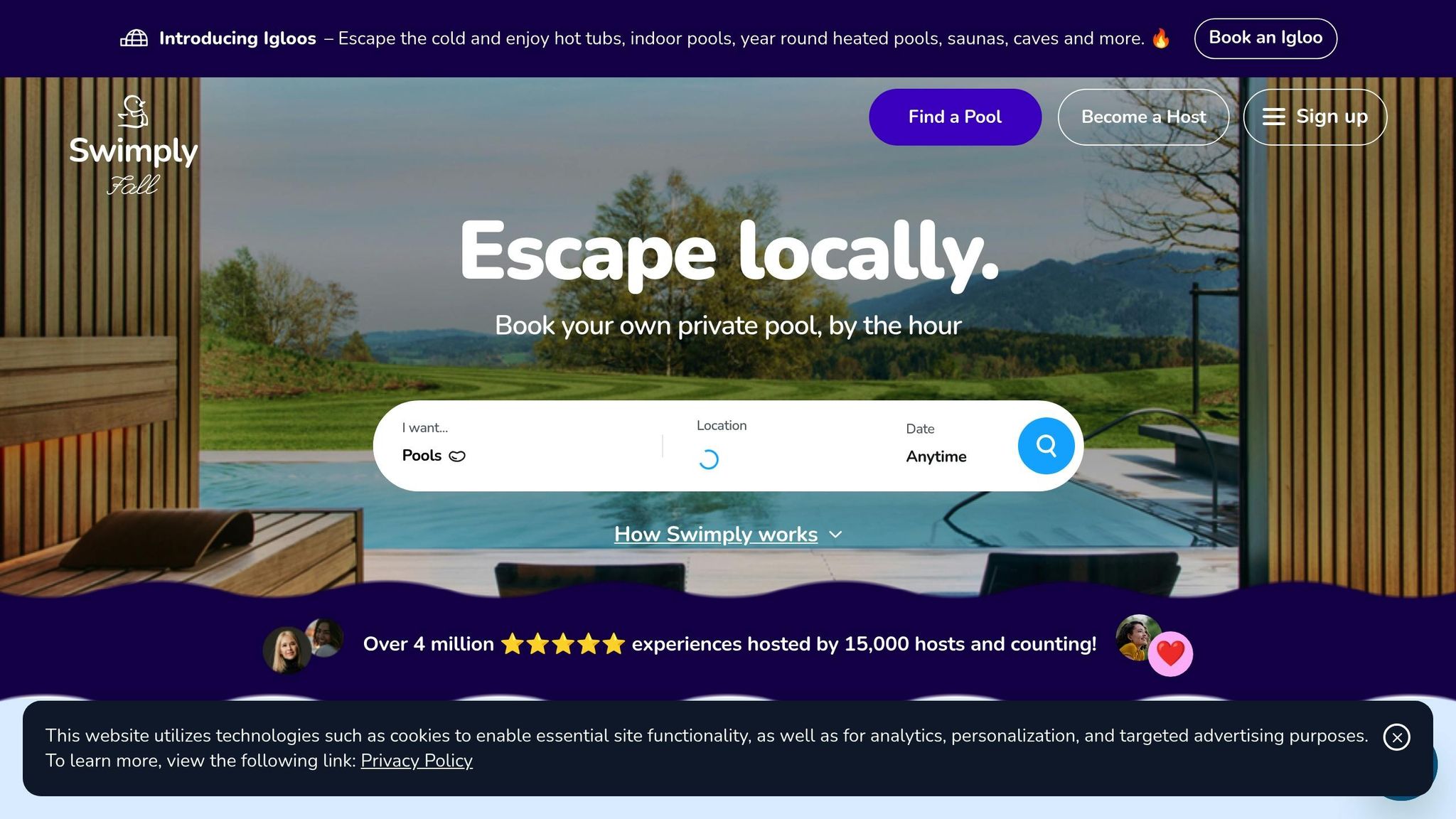
Bunim Laskin transformed a simple family dilemma into a thriving business by creating a platform for renting private pools. His story is a testament to how personal challenges can spark business ideas, paving the way for innovative solutions. Let’s dive into how his vision came to life and grew into a widely recognized venture.
Age of Entrepreneur at Start
At just 20 years old, Bunim Laskin founded Swimply in 2018. The idea came to him during hot summer days when his family needed access to a pool. He noticed a neighbor’s pool sitting unused and struck a deal: they could use the pool in exchange for helping with maintenance costs. This simple arrangement became the foundation for Swimply’s business model. Laskin even used money from his bar mitzvah to fund the startup.
Innovation in Solving a Problem
Swimply tackled two major challenges: helping pool owners offset maintenance costs while giving families without pools affordable access to swimming. For pool owners, the platform turned an underused and costly asset into a reliable income stream. For families, it made swimming - America’s favorite activity for kids - easier to enjoy. As COO Asher Weinberger put it:
"Swimming is the third most popular activity for adults and number one for children, and yet no other company has tackled the aquatic space to make swimming more affordable and accessible... until now."
Laskin’s market research was hands-on, and the pricing reflected that. Pool rentals typically range from $15 to $60 per hour, with an average of about $45 per hour.
Revenue Growth and Scalability
By May 2021, the platform was generating millions in monthly revenue and handling between 15,000 and 20,000 bookings. Reflecting on this period, Laskin shared:
"We were the perfect solution for people when the world was falling on its head. It was the perfect, contact-free, self-serve experience to hang out and be with people you quarantined with."
The company secured $10 million in Series A funding in May 2021, followed by an additional $40 million in December 2021. By June 2023, Swimply had grown to include 25,000 rental listings across the U.S., Canada, and Australia. One host, Jim Battan, earned $200,000 over 21 months and reported receiving three bookings within just two hours of listing his pool, showcasing the platform’s effectiveness.
Key Business Strategies Used
Swimply operates on a straightforward commission model, taking 15% from pool hosts and 10% from renters. To address safety concerns, the platform offers hosts $1 million in liability insurance and $10,000 in property damage coverage. In 2023, Swimply expanded its offerings to include rentals for pickleball courts, tennis courts, basketball courts, and even yards. This move reflects Laskin’s broader vision:
"Our mission has always been about democratizing access to exclusive spaces and creating positive social impact."
6. Sophie's Handcrafted Goods Business in Phoenix
At just three years old, Sophie Gammon showed a remarkable sense of generosity when she emptied her entire piggy bank into a Toys for Tots donation box. That moment of selflessness hinted at the entrepreneurial spirit and community focus that would shape her future ventures.
Starting Young as an Entrepreneur
Sophie’s first foray into entrepreneurship came with a pay-what-you-can lemonade stand, which raised $81 - all of which she donated to charity. Fast forward to the COVID-19 pandemic, when she channeled her love for arts and crafts into a practical business idea. She launched "Lanyards by Sophie", creating mask lanyards at a time when they were not only useful but also in high demand. What began as a small project grew into a recognized brand, loved by the Phoenix community, as Sophie steadily turned her creative hobby into a professional endeavor.
Turning Creativity Into Problem-Solving
Sophie identified a growing demand for unique, handmade goods and turned her passion into a thriving business. By pairing a local market presence with an online store, she reached a broader audience and gained valuable insights from customer feedback. This blend of creativity and practicality helped her carve out a niche in the community.
Building Success Through Strategy
Sophie’s journey wasn’t just about crafting - it was about learning. She sought mentorship and participated in local programs aimed at young entrepreneurs, sharpening her skills in budgeting, marketing, and customer service. With the support of family, friends, and her community, she managed to balance school with running a business. Her efforts not only advanced her own goals but also contributed to the local economy in Phoenix.
Growth Metrics Comparison
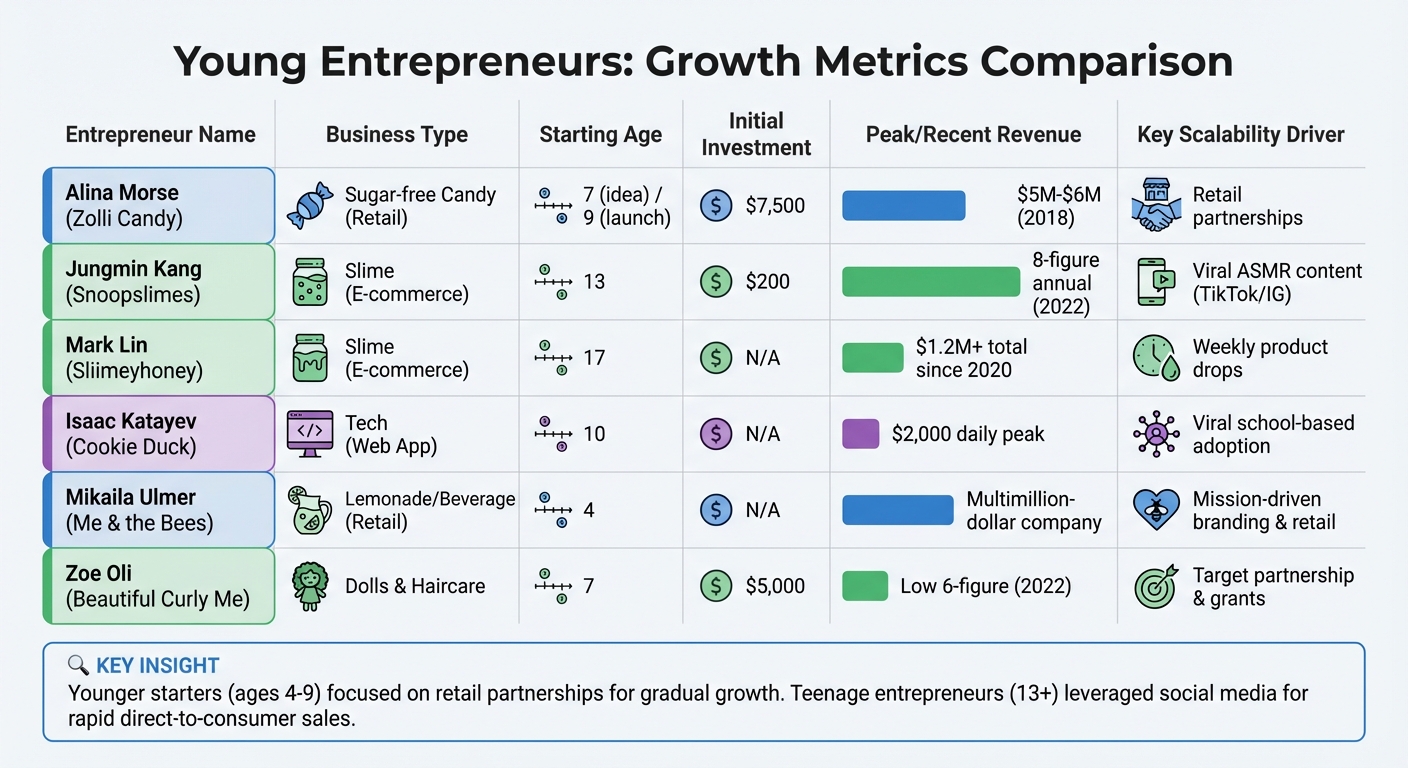
Young Entrepreneurs Growth Metrics Comparison: Revenue and Success Drivers
The stories of these young entrepreneurs showcase different paths to success when comparing key growth metrics. A closer look at these ventures reveals patterns in how they achieved scalability.
| Entrepreneur | Business Type | Starting Age | Initial Investment | Peak/Recent Revenue Metric | Key Scalability Driver |
|---|---|---|---|---|---|
| Alina Morse | Sugar-free Candy (Retail) | 7 (idea) / 9 (retail) | N/A | $5M–$6M projected revenue (2018) | Retail partnerships |
| Jungmin Kang (Snoopslimes) | Slime (E-commerce) | 13 | $200 | 8-figure annual revenue (2022) | Viral ASMR content (TikTok/IG) |
| Mark Lin (Sliimeyhoney) | Slime (E-commerce) | 17 | N/A | $1.2M+ total revenue since 2020 | Weekly product "drops" |
| Isaac Katayev (Cookie Duck) | Tech (Web App) | 10 | N/A | $2,000 daily revenue peak | Viral school-based adoption |
| Mikaila Ulmer (Me & the Bees) | Lemonade/Beverage (Retail) | 4 | N/A | Multimillion-dollar company | Mission-driven branding & retail |
| Zoe Oli (Beautiful Curly Me) | Dolls & Haircare | 7 | $5,000 | Low 6-figure revenue (2022) | Target partnership & grants |
For businesses like Zolli Candy and Me & the Bees, starting young (ages 4–7) meant beginning with simple ideas that gradually grew through retail partnerships and purpose-driven branding. These ventures took time to reach major retailers but built enduring customer loyalty along the way.
On the other hand, teenage entrepreneurs (ages 13 and up) leaned heavily on social media to drive rapid growth in direct-to-consumer sales. Jungmin Kang of Snoopslimes explained:
"I think being in the same generation as most of my target market helps because I'm able to quickly think up ideas based on trends that are going viral".
Snoopslimes now produces 10,000–15,000 units per week. Similarly, tech ventures like Isaac Katayev’s Cookie Duck saw explosive early adoption, with 4,000 users joining within 30 minutes of launch. However, such rapid growth also brought challenges, like schools blocking the platform.
Meanwhile, retail beverage businesses followed a more gradual growth curve. Mikaila Ulmer of Me & the Bees earned just $650 in profits during her first year but eventually scaled her lemonade company into a multimillion-dollar brand.
Despite their differences, these ventures share common threads: low startup costs, family support, and a knack for leveraging their unique circumstances to scale effectively.
Conclusion
These stories underline a recurring theme: young entrepreneurs thrive when they pair bold problem-solving with strong support from their parents. Kids naturally approach challenges with curiosity and creativity, unburdened by the overthinking that often holds adults back. This fresh perspective allows them to tackle problems in ways that many grown-ups might overlook.
Parental involvement plays a pivotal role in these ventures. Parents often step in as mentors, guiding their children through essential tasks like setting up bank accounts, managing contracts, or forming LLCs. This guidance not only simplifies the process but also equips kids with real-world business skills. Take Jungmin Kang of Snoopslimes, for instance. She brought her parents on board as full-time managers to handle finances and order fulfillment, freeing her to focus on school and the creative aspects of her business. By dividing responsibilities, young entrepreneurs can maintain a balance between their ventures and their personal lives, avoiding burnout.
For younger kids just starting out, structured kits make the leap into entrepreneurship more accessible. These kits provide hands-on tools to teach foundational business skills, from managing inventory to interacting with customers. An example is the My Lil Startup Slime Business Kit, which turns a $39.95 investment into a learning opportunity. Kids not only practice marketing and money management but can also earn up to $100 from their first sales. This kind of hands-on experience mirrors the principles seen in many successful early business models, building confidence and practical know-how.
Whether your child dreams of launching an e-commerce brand or running a neighborhood slime stand, starting small, solving real problems, and having the support of engaged adults can set the stage for both immediate success and long-term confidence.
FAQs
How can parents help their kids succeed as young entrepreneurs?
Parents play a key role in sparking their child’s entrepreneurial spirit by offering guidance, encouragement, and chances to learn through experience. Start by helping your child explore ideas that match their interests - whether it’s making slime, baking treats, or offering pet-sitting services. Encourage them to think about who might need their product or service and how it could solve a problem. Once they’ve landed on an idea, work together to create a simple plan: set financial goals, estimate costs, and track sales to understand profits and expenses.
Support their journey by encouraging them to test their ideas - perhaps by selling to family, neighbors, or at local events - and use feedback to refine their offerings. Celebrate their wins, treat challenges as valuable lessons, and let them take the lead while you provide guidance when needed.
For a fun and structured way to get started, tools like My Lil Startup’s Slime Business Kit can be a great option. This kit includes pre-made slime, decorations, marketing flyers, and a sales tracker - everything kids need to kick off their mini-business. Pair this with regular check-ins to review progress, calculate profits, and brainstorm ways to grow their venture. By blending encouragement, practical tools, and hands-on experience, parents can help their kids gain confidence, creativity, and key business skills that will serve them well in the future.
What are the best strategies for kids to grow their businesses quickly?
Young entrepreneurs have the potential to grow their businesses swiftly by focusing on a few smart strategies. First, having a clear purpose is key - when kids can articulate why their product matters, it not only attracts loyal customers but also keeps them driven. Persistence is equally important; every setback can be turned into a valuable learning experience. Building connections with mentors, peers, and community members can also spark fresh ideas and open up new sales opportunities.
Digital platforms like Instagram and TikTok are game-changers for reaching a wider audience. By sharing engaging content, kids can connect with thousands of potential customers in no time. The profits they earn can be reinvested into upgrades like better materials, custom packaging, or even small advertisements to expand their reach. Staying organized with tools such as sales trackers and thank-you cards ensures they keep the momentum going as their business grows.
For parents looking to support their child’s entrepreneurial dreams, My Lil Startup offers a Slime Business Kit that’s ready to go. This kit comes with pre-made slimes, fun decorations, marketing flyers, thank-you cards, and a sales tracker - giving kids everything they need to confidently launch and grow their very own slime business.
How does social media help kids grow their businesses?
Social media has become a game-changer for transforming small, kid-run businesses into flourishing ventures. Platforms like Instagram and TikTok provide young entrepreneurs with the perfect stage to showcase their creations, connect with large audiences, and establish trust with their followers. Take slime videos, for instance - these creative posts can attract thousands of followers, turning simple likes into actual sales, fueling rapid business growth.
There are three standout advantages social media offers young entrepreneurs: increased visibility to reach potential customers, enhanced credibility through active follower engagement, and direct sales opportunities by sharing eye-catching product photos and marketing materials. Tools like My Lil Startup's Slime Business Kit simplify the process, helping kids create shareable content and track their sales effectively. With these resources, young minds can transform their ideas into thriving businesses.